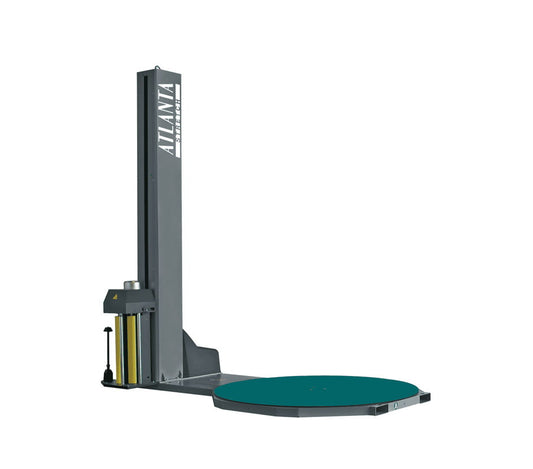
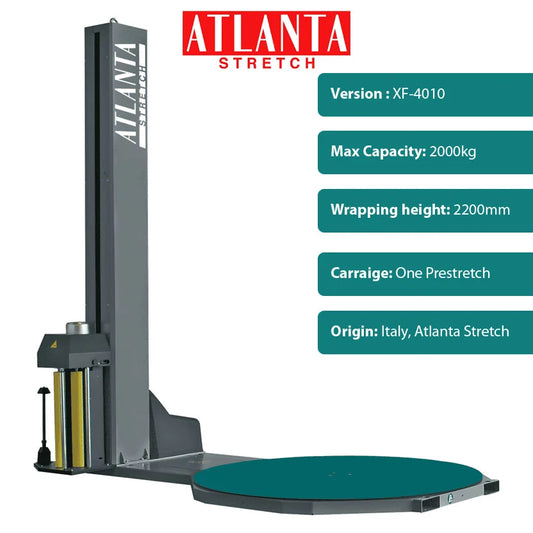
Over the past few months, we’ve been building out a comprehensive range of blogs and guides around pallet wrapping machines, automatic wrappers, and robotic wrappers.
At MPS Packaging Australia, we don’t believe in one-size-fits-all solutions. Whether it’s a semi-automatic wrapper, a robotic system, or a fully automatic machine, the right choice always comes down to your application.
This article brings together all of our latest content and explains how it fits into one complete resource — including how we’ve improved our automatic pallet wrapper page to better guide customers.
Why We Built These Guides
The pallet wrapper market is full of mixed information.
We regularly see customers:
- Buying machines that are too basic for their needs
- Overpaying for automation they don’t require
- Missing key features like sensors or pre-stretch
- Not understanding long-term costs like film usage
That’s why we’ve focused on creating blogs that answer the real questions customers ask before buying.
Each blog is designed to address a specific part of the decision-making process.
Should You Consider a Robotic Pallet Wrapper?
One of the most common questions we get is whether a robotic pallet wrapper is the right choice.
In this guide, we explain where robotic machines such as the Sfera and Neos excel, particularly in applications involving heavy, нестandard, or irregular loads. We also cover their limitations, including when a turntable or automatic machine would be more suitable.
The key takeaway is that robotic wrappers are not a replacement for all machines — but in the right environment, they offer unmatched flexibility.
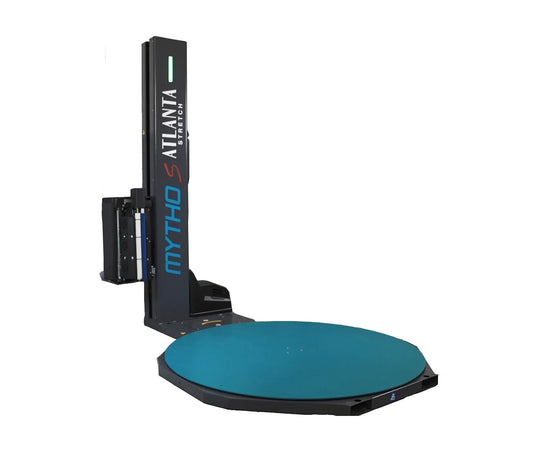
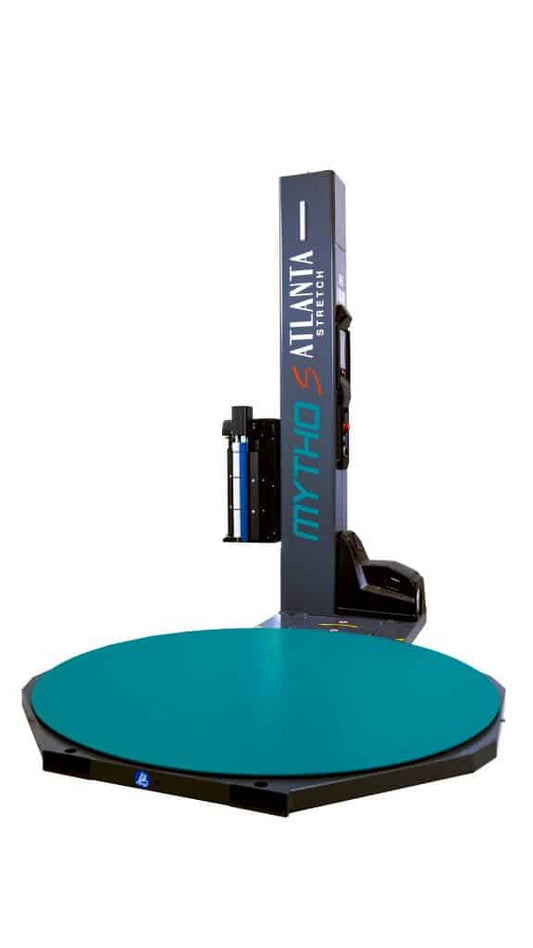
Mytho S ARYA — The Future of Automatic Wrapping
Our feature blog on the Mytho S ARYA Automatic Pallet Wrapper dives into one of the biggest advancements in pallet wrapping technology.
This machine removes the need for pneumatics entirely and replaces them with a fully electric system. It also introduces automatic film attachment and cutting without the complexity of traditional automatic machines.
This blog is particularly important because it highlights a shift in the industry — moving away from complex, maintenance-heavy systems toward simpler, more reliable automation.
Can Robotic Pallet Wrappers Be Automatic?
Robotic wrappers have traditionally been seen as semi-automatic machines.
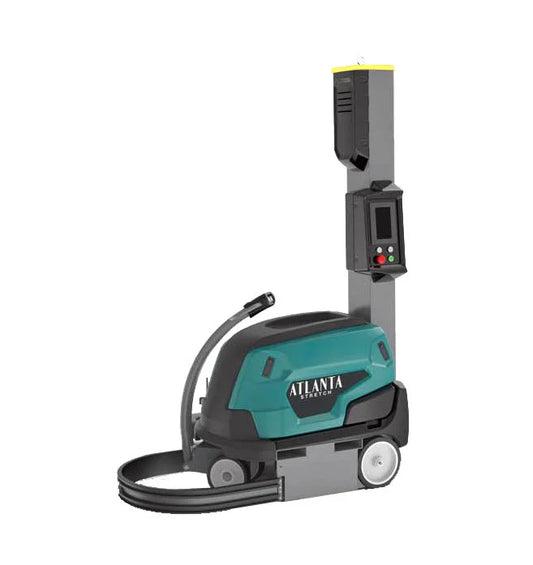
In this blog, we explore how newer technologies — particularly systems like the MIRA autonomous robot — are changing that. We explain how robotic wrappers can now move between pallets, attach film automatically, and operate with minimal operator involvement.
This is where the line between robotic and fully automatic machines starts to blur, creating a new category of flexible automation.
Will an Automatic Pallet Wrapper Save You Money?
One of the biggest misconceptions in the market is that automation is only about labour savings.
In this guide, we break down the real cost factors, including film usage, machine efficiency, and reduced product damage. In many cases, the largest savings come from pre-stretch film systems, not just reduced labour.
This is a critical blog for anyone trying to understand return on investment.
Do You Need Film Welding on Your Automatic Wrapper?
Film welding is often misunderstood.
In this blog, we explain how film welding systems work, when they are required, and how they differ depending on machine design. We also clarify that most stretch films used in pallet wrapping — typically LLDPE — are suitable for welding, but settings such as time, pressure, and film thickness need to be adjusted correctly.
This helps customers avoid over-specifying or misunderstanding automatic features.
What is a Used Pallet Wrapper Worth?
The used machine market can be difficult to navigate.
In this guide, we explain how factors such as machine condition, environment, usage, and upgrades affect the value of a pallet wrapper. We also highlight how external factors, such as supply chain disruptions or labour shortages, can influence pricing.
This blog is particularly useful for customers considering second-hand equipment or looking to sell existing machines.
Do You Need a Black Sensor on a Pallet Wrapper?
Sensors are one of the most overlooked components of a pallet wrapper.
This blog explains the limitations of standard infrared sensors, particularly when detecting dark or black loads such as drums or wrapped pallets. We also cover when a black eye sensor or even a sonic sensor may be required, depending on the application.
Understanding this can prevent common issues with wrapping consistency and machine performance.
Using a Walkie Stacker on a Pallet Wrapper
Not every warehouse operates with forklifts.
In this guide, we explain the challenges of using walkie stackers with pallet wrappers and the different solutions available, including low-profile machines, in-ground installations, and lifting frames.
We also provide practical advice on avoiding damage to turntables and bearings, which is a common issue when machines are used incorrectly.
How We’ve Improved Our Automatic Pallet Wrapper Page
All of these blogs feed into a larger goal — improving how customers understand and select automatic pallet wrappers.
We’ve recently updated our automatic pallet wrapper page to reflect this.
Instead of simply listing machines, the page now helps guide customers through:
- The difference between semi-automatic, automatic, and fully automatic systems
- When to choose a robotic wrapper vs a turntable
- The importance of features like pre-stretch, sensors, and automation systems
- Real-world considerations such as floor conditions, load types, and workflow
By combining detailed product information with practical guidance, the page now acts as a central hub for anyone considering automation.
Bringing It All Together
Each of these blogs is designed to answer a specific question, but together they form a complete resource for understanding pallet wrapping machines.
From choosing between robotic and turntable machines, to understanding sensors, film performance, and automation features, we’ve built a knowledge base that reflects real-world applications.
Speak with MPS Packaging Australia
If you’re exploring pallet wrapping solutions, whether it’s a basic machine, a robotic system, or a automatic wrapper, our team can help guide you through the options.
We take into account your pallet volumes, load types, and workflow requirements to ensure you get the best possible outcome.