What Are Poly Bags?
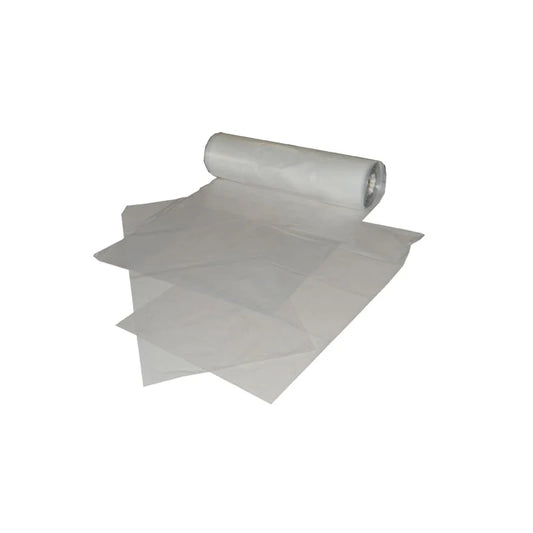
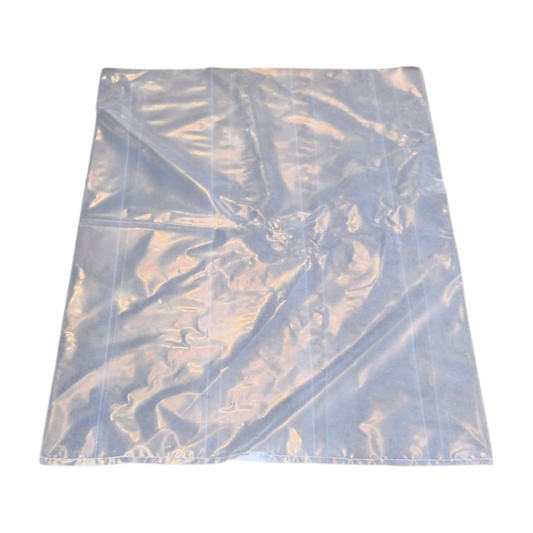
Poly bags are flexible packaging bags manufactured from polyethylene (PE), one of the world's most widely used plastics. Their lightweight, durable construction and resistance to moisture, dust and dirt make them a practical packaging solution for a wide range of products and applications. They're available in various sizes, thicknesses and styles to suit different packaging requirements.
Where to Use Poly Bags?
Plastic poly bags for packaging can be used for:
- Small parts and components
- Clothing and textiles
- Retail products
- Food
- Manufacturing materials
- Documents and printed items
- Hardware and tools
- Spare parts.
At MPS, poly bags are available in various dimensions and thicknesses, so you can select the right bag based on the product's size, weight, and shape.
What Are the Benefits of Using Poly Bags?
Poly bags provide a simple way to protect products while keeping packaging weight and storage requirements low. They feature:
- Protection from dust and dirt. Poly bags help keep products clean during storage, handling, and transport. They are useful for items that may be affected by dust, dirt, or surface contamination in the warehouse.
- Moisture resistance. Polyethylene provides resistance to light moisture and splashes, but it's not completely waterproof. The level of protection depends on the bag thickness and sealing method.
- Lightweight. Poly bags add minimal weight to a packed product. They are ideal for ecommerce, warehouse, and retail operations where packaging weight must be controlled.
- Many sizes. Clear poly bags are available in small, medium, and large dimensions. You can choose a close-fitting bag for any product.
- Different thickness options. Thin poly bags are suitable for light products and basic protection. Thick bags provide greater strength for heavy products, irregular shapes, and demanding handling conditions.
- Compact design. Unused poly bags lie flat and take up little storage space. Different sizes can be organised near packing stations for quick access.
- Ease of use. Depending on the bag type, poly bags can be closed using heat sealers, adhesive strips, resealable closures, packaging tape, or ties. The correct sealing method depends on the product and the level of security required.
- Transparency. Clear bags allow warehouse and packing teams to see the contents without opening the package.
The Range of Poly Bags at MPS
MPS supplies poly bags for general packaging, storage, warehouse, and industrial applications.
Standard poly bags
Standard poly bags are designed for everyday packaging tasks:
- General retail packaging
- Ecommerce order preparation
- Parts storage
- Clothing protection
- Internal packaging.
They are suitable for light to medium-weight items that do not have sharp edges.
Heavy-duty poly bags
Heavy-duty poly bags are thicker and stronger than standard lightweight bags. They are designed for large and heavy products:
- Industrial items
- Building materials
- Heavy textiles
- Metal components
- Equipment parts.
Heavy-duty bags offer better puncture and tear resistance, but sharp products may still require additional protective packaging.
Large poly bags for storage
Large poly bags can be used to cover, contain, or group bulky products:
- Furniture components
- Large textiles
- Bedding
- Equipment covers
- Pallet or carton liners
- Industrial materials.
The bag should be large enough to fit the product without excessive stretching.
Resealable poly bags
Resealable bags can be opened and closed multiple times. They are useful for products that need regular access or controlled quantities.
They are perfect for:
- Small parts
- Samples
- Hardware
- Accessories
- Instructions
- Product kits.
How to Choose the Right Poly Bag?
The right poly bag should fit your product, support its weight and provide the level of protection needed for storage or shipping. When choosing a poly bag, consider the following factors:
Measure the product
Check the product's length, width, and height and compare them to the bag dimensions. For grouped products, measure the full bundle rather than each item separately.
The bag opening must be wide enough to insert the product without excessive force.
Allow room for sealing
Choose a bag that provides extra length above the product for the closure.
A bag that fits too tightly may stretch at the seams and tear during handling. However, a bag shouldn't be much larger than necessary, as this can create excess material and make the package harder to handle.
Consider the product shape
Smooth, flexible items place less pressure on the material than rigid products with corners or uneven edges.
Use a strong bag when packing:
- Dense products
- Irregular shapes
- Products with corners
- Metal components
- Heavy parts
Sharp edges should be covered before the product is placed inside the bag. You can use bubble wrap or cardboard angleboards.
Choose the right thickness
Poly bag thickness is often measured in microns.
As a general guide:
- Thin bags suit light products and provide basic dust protection.
- Medium-thickness bags suit everyday warehouse and retail packaging.
- Thick bags suit heavy, bulky, or irregular products.
- Heavy-duty bags suit more demanding storage and handling applications.
The exact thickness required will depend on the product's weight and shape, and risk of puncture.
Consider storage conditions
Check whether the bag will be used in a dry warehouse, a humid storage area, a retail storeroom, a refrigerated space, a workshop, or an outdoor handling area.
The bag should be suitable for the expected temperature, moisture level, and handling conditions.
Select the sealing method
Choose a seal based on how securely the contents need to be contained.
Heat sealing is useful when a strong, tamper-evident closure is required. Resealable bags are more practical when the contents need to be accessed repeatedly.
Buy Poly Bags from MPS Packaging Australia
MPS has supplied packaging products to Australian businesses for more than 40 years.
The MPS poly bag range supports businesses of different sizes, from small retailers and ecommerce stores to large warehouse and industrial operations. We offer:
- A wide range of bag sizes.
- Reliable packaging materials.
- Australia-wide delivery.
- Practical advice from an experienced team.
- Support for bulk and large orders.
The MPS team can help you choose bag dimensions, thickness, and sealing options based on your products and packing process.
Browse our range of poly bags for packaging, storage, retail, and industrial use online. If you have any questions, contact the MPS team – they can provide practical help choosing the right bags.