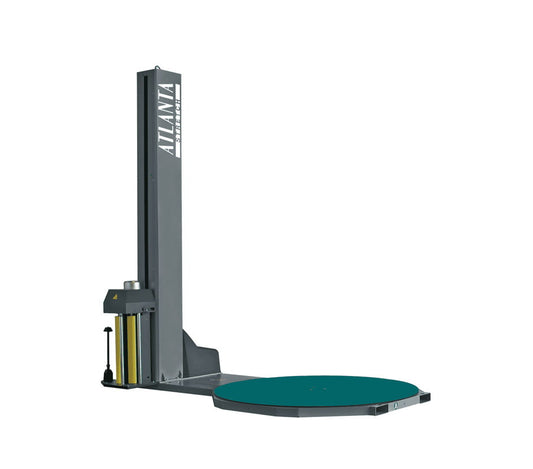
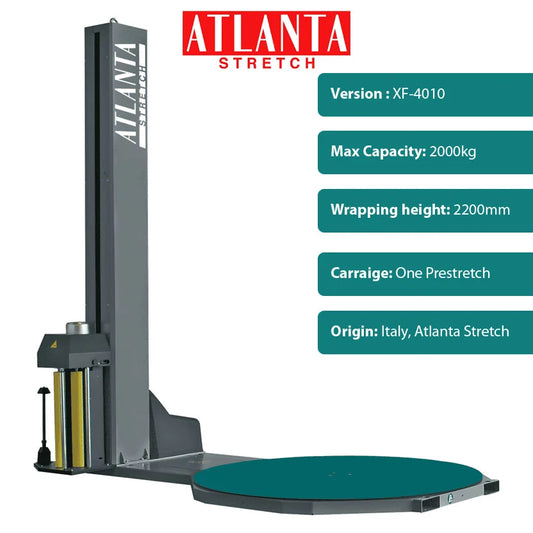
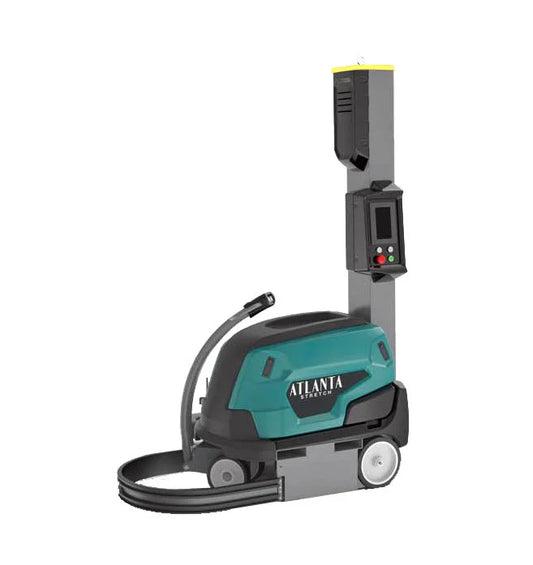
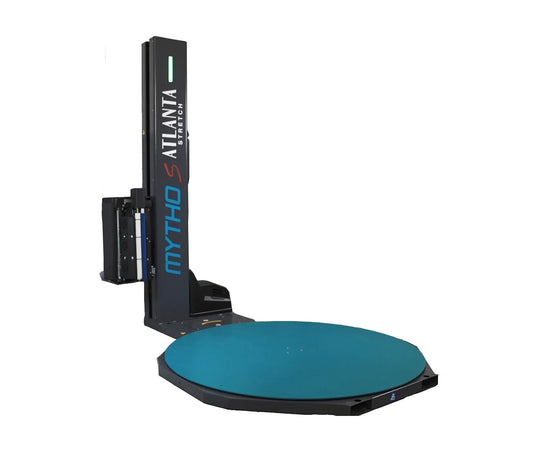
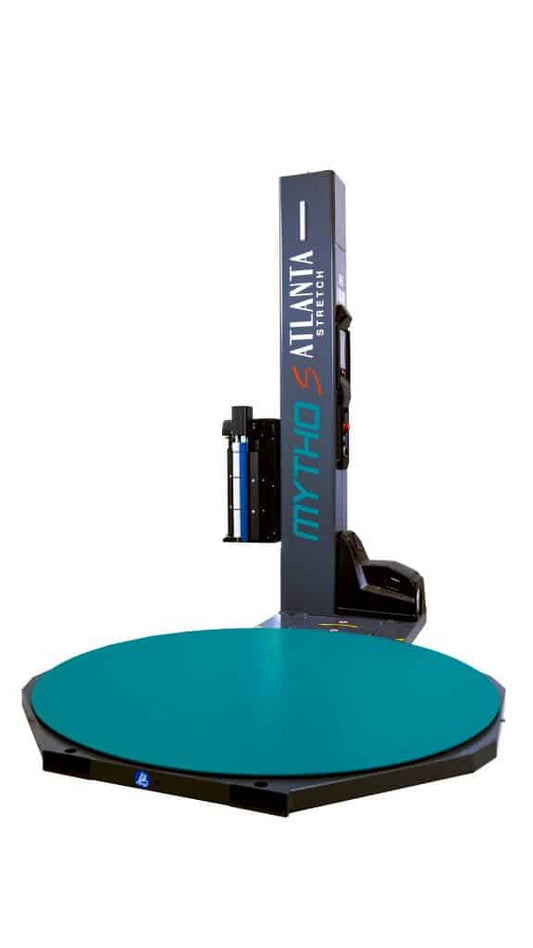
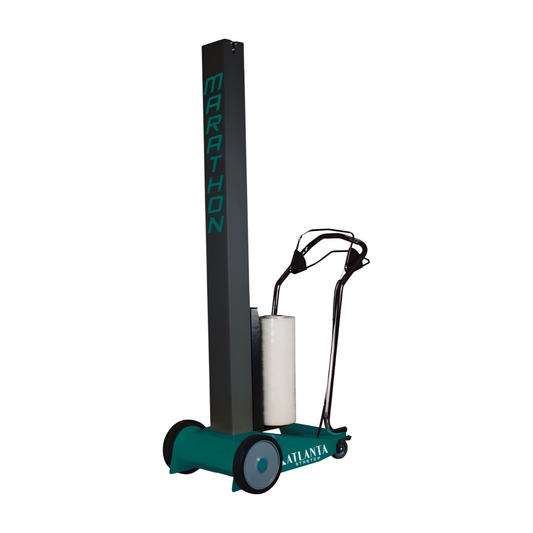
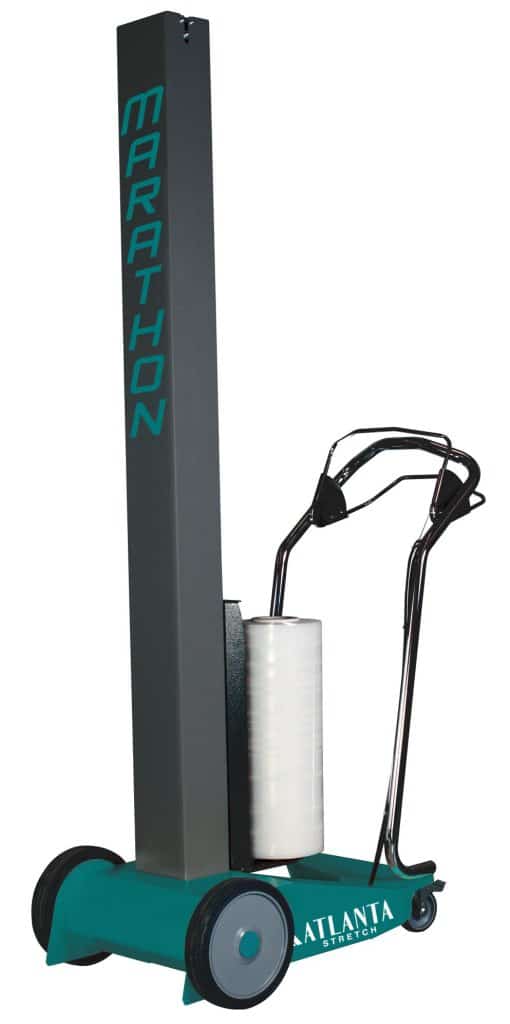
When businesses look to buy or sell a used pallet wrapper one of the most common questions is simple: what is a used stretch wrapper actually worth? The answer depends on several factors including the brand, condition, age, usage hours, and the type of technology used in the machine. In many cases, a well-maintained pallet wrapper can retain a significant portion of its value for many years. Basically there are several factors on what a new one wold be worth. Our blog here is to help you determine it.
Find out what the model is worth new
The first thing you should do when trying to determine the value of a used pallet wrapper is check whether the model is still currently being sold. If it is, find out what the machine costs new. This gives you a baseline price and makes it much easier to estimate what a second-hand machine may be worth. Once you know the new price, you can begin factoring in things like the machine’s age, condition, usage and features to determine a realistic resale value.
Consider, How old is the used pallet wrapper?
Another important factor to consider is the age and overall condition of the machine. It’s often said that they don’t make machines like they used to, and in many cases that is true. Older pallet wrappers were frequently built with very heavy-duty frames and high-quality components, which is why many of them are still operating decades later. However, the main issue with older machines is parts availability. The companies that originally manufactured or supplied them may no longer exist, which can make sourcing spare parts or getting technical advice extremely difficult. Even if the machine itself is mechanically sound, the lack of parts support can significantly reduce the resale value of an older pallet wrapper.
How many wraps has the used wrapper done?
Next, check how many cycles the pallet wrapper has completed. Most pallet wrapping machines have a counter that records the total number of wraps the machine has performed. This can give a good indication of how heavily the machine has been used. If the machine has only completed a few thousand cycles, it likely hasn’t seen much use and may still have plenty of life left in it. However, if the counter shows 100,000 cycles or more, the machine has probably seen very heavy use and been absolutely flogged, key components such as bearings, rollers, motors or gearboxes may already be significantly worn. This level of usage will usually reduce the overall resale value of the machine.

Whats the Brand and origin of the stretch wrapper?
Another important factor to consider is the brand and origin of the machine. In some cases, very high-end or premium pallet wrappers such as those from the USA can actually lose value quite significantly on the second-hand market. A good way to think about it is similar to buying a second-hand Mercedes S-Class — if you couldn’t afford it new, you probably can’t afford it second hand either. While the purchase price may be much lower, the parts, servicing and repairs are still priced like a premium machine. There is often a reason someone is trying to move it on.
That said, if your operation is relatively small and you’re only wrapping a modest number of pallets, a used premium machine may still work well for you. However, if you are wrapping 30 pallets per day or more, we generally wouldn’t recommend relying on an older second-hand machine, as downtime and expensive repairs can quickly outweigh the savings of buying used.
A good brand or machine will also have active distributors, so getting parts and technical help will also be easier.

What environment has the used wrapper been in?

You should also consider the environment the pallet wrapper has been operating in. The working conditions of the machine can have a major impact on its lifespan and resale value. For example, we often see pallet wrappers used in marine environments such as fish markets or seafood processing facilities rust quite quickly. In these cases, the correct solution would usually be a galvanised or stainless steel machine, but many businesses opt for the cheapest standard wrapper available and simply run it until it fails before replacing it.
Harsh chemicals can also affect the condition of a machine. Cleaning agents, salts and other corrosive substances can gradually damage frames, electronics and mechanical components over time.
Even food environments, which many people assume are clean, can actually cause problems. For example, in flour mills or bakeries, fine flour dust often builds up inside the machine. If the machine is never properly cleaned internally, this buildup can affect motors, sensors and moving components.
Finally, consider where the machine was located. A pallet wrapper used outdoors, on a loading dock, or in a consistently wet environment will usually show significantly more wear than one that has been operating inside a dry warehouse. These environmental factors can play a major role in determining the true condition and value of a used pallet wrapper.
See the difference afew years can make? at a chemical planet A new wrapper next to an old one.
Consider any external factors for the value of the stretch wrapper.
You should also consider external factors that may have affected the original price of the machine. Market conditions can significantly influence the cost of pallet wrappers. For example, during periods such as the COVID pandemic, shortages of materials, electronics and labour caused the price of many machines to increase dramatically. At the same time, many businesses were looking to automate due to labour shortages, which further increased demand for pallet wrappers.
Because of this, some machines purchased during these periods may have been bought at unusually high prices. When assessing the value of a used pallet wrapper today, it’s important to recognise that the original purchase price may have been influenced by temporary market conditions rather than the true long-term value of the machine.
Consider the upgrades on the wrapper.

You should also consider what upgrades or features the machine has. Not all pallet wrappers are built the same, and the level of automation can significantly affect the value of a used machine. For example, automatic machines that can automatically attach and cut the film will generally be worth much more than basic semi-automatic machines with a simple friction brake film carriage.
Machines with a powered prestretch carriage will also typically hold more value than friction brake machines because they reduce film usage and improve wrapping consistency. However, while prestretch machines are worth more than basic wrappers, they usually won’t command the same price as a automatic pallet wrapper with film clamp, cut and seal systems. The more advanced the machine’s features and automation, the higher its resale value is likely to be.
_____
Determining the value of a used pallet wrapper comes down to several key factors. Start by checking whether the model is still sold and what the machine costs new, as this gives you a baseline for its value. From there, consider the age, condition and cycle count of the machine, as well as the brand and country of origin, since quality manufacturers tend to hold value better.
It’s also important to look at where the machine has been used, as harsh environments such as marine, chemical or dusty food processing areas can significantly affect wear and reliability. External market factors, such as periods of high demand or supply shortages, may also influence what the machine originally cost. Finally, consider the machine’s features and upgrades, as advanced systems such as powered prestretch or automatic film clamp and cut units will typically hold more value than basic friction brake machines. Taking all of these factors into account will give you a much clearer idea of what a used pallet wrapper is truly worth.