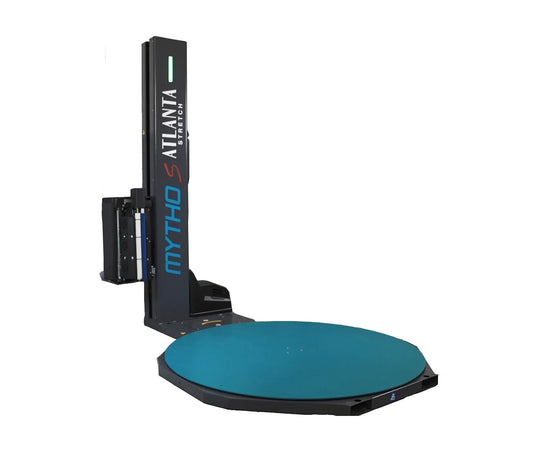
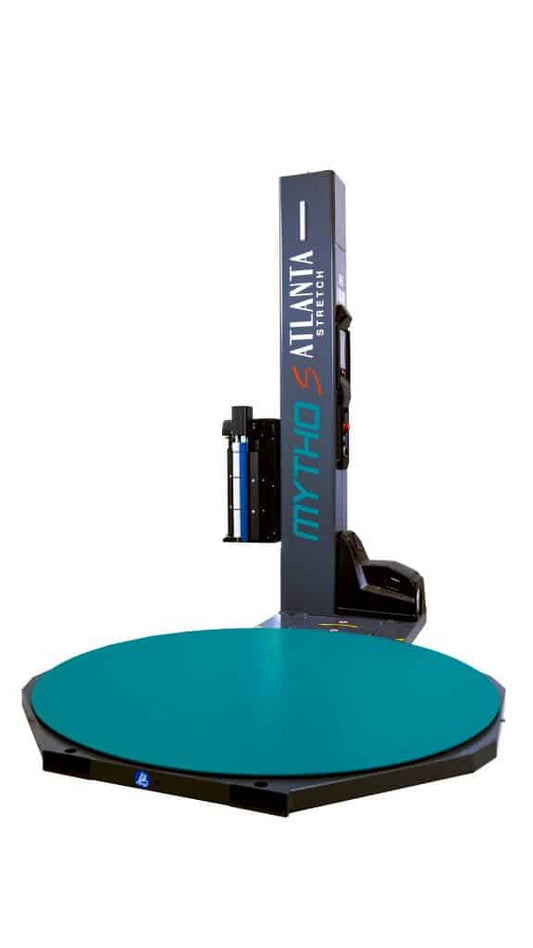
We are often asked, What Are the Best Ways to Add Ventilation to a Pallet When Using a Machine Pallet Wrapper? Many products need airflow during storage or transport. Fresh produce, beverages, chemicals, hot-filled products, and some industrial goods can all benefit from improved ventilation through the pallet. The challenge is achieving this without sacrificing load stability or dramatically increasing packaging costs.
Fortunately, there are several ways to create ventilation when using a machine pallet wrapper. Some methods are simple adjustments to your existing wrapper, while others involve specialised films or equipment. Understanding the advantages and disadvantages of each option can help you choose the right solution for your application.
Why Ventilation Matters
Ventilation allows air to circulate through the load, helping to:
- Reduce condensation and trapped moisture.
- Allow freshly packed or warm products to cool.
- Improve airflow around fresh produce.
- Reduce the chance of mould or product spoilage.
- Meet ventilation requirements for certain distribution chains.
The key is finding the right balance between airflow and load containment. Too much ventilation can reduce pallet stability, while too little may trap heat and moisture.
Option 1: Ventilated Pallet Wrap
One of the simplest solutions is using ventilated stretch film. Unlike conventional stretch wrap, ventilated pallet wrap is manufactured with holes or open sections throughout the film.
This allows air to pass directly through the pallet while still providing the containment benefits of stretch wrapping. The film can generally be used on many powered prestretch and friction brake pallet wrappers without requiring major machine modifications, making it an easy upgrade for businesses that regularly wrap ventilated loads.
Ventilated films are commonly used for:
- Fresh fruit and vegetables
- Firewood
- Bottled beverages
- Dairy products
- Products requiring rapid cooling
Although ventilated films generally cost more than standard stretch film, they often provide an excellent balance between ventilation and load security.
Option 2: Tama InnoVent Pallet Wrap
One of the most advanced ventilation solutions available is Tama InnoVent pallet wrap.
Unlike conventional ventilated stretch films that rely on punched holes, InnoVent uses a unique open mesh design that provides exceptional airflow while maintaining impressive load stability.
The large open structure allows maximum ventilation, making it particularly suitable for produce, beverages, food distribution, and products that require rapid cooling after packaging.
The design also provides several additional benefits:
- Excellent product visibility for easy identification.
- Reduced material consumption compared to many traditional ventilation methods.
- Less storage space required compared with bulky corner board systems.
- Lower transport costs due to its lightweight construction.
- Food-safe materials suitable for packaged food applications.
- Fully recyclable material.
Because the film stretches rather than relying on rigid ventilation components, loads remain securely contained while allowing significant airflow throughout the pallet.
Option 3: Strip Cutting Machines
Another increasingly popular solution is using a strip cutting machine.
These systems modify standard machine stretch film by cutting narrow strips through the web as it is applied. Instead of wrapping with one continuous sheet, the pallet is wrapped with multiple stretch bands separated by ventilation gaps.
This method offers several advantages:
- Excellent airflow.
- Strong load containment.
- Ability to continue using standard stretch film.
- Lower ongoing consumable costs compared with proprietary ventilation films.
For many operations, strip cutting provides an excellent compromise between ventilation and pallet stability while avoiding the need for specialised consumables.
Option 4: Adjust Your Existing Pallet Wrapper
Sometimes the simplest solution is using the pallet wrapper you already own.
Most modern pallet wrappers allow the carriage ascent and descent speed to be adjusted independently of the turntable speed. By increasing the carriage speed, the film overlaps less on each revolution, leaving deliberate gaps between each wrap.
These gaps allow air to move freely through the pallet while still providing horizontal bands of containment.
Some operations also choose to use narrower machine stretch film, such as 250 mm wide rolls instead of the standard 500 mm width. Combined with faster carriage travel, this naturally increases the ventilation gaps throughout the load.
This approach has several benefits:
- No additional machinery required.
- Standard machine stretch film can still be used.
- Easy to experiment with different ventilation levels.
- Very low implementation cost.
The trade-off is that reducing overlap also reduces overall containment force, so careful testing is required to ensure the load remains stable during transport.
Option 5: Proprietary Machine and Film Systems
Several manufacturers have developed complete ventilation systems that combine a dedicated pallet wrapper with a specialised stretch film designed exclusively for that machine.
These systems can produce excellent ventilation and attractive wrapping patterns. However, businesses should carefully consider the long-term implications before investing.
In many cases, the machine only accepts one manufacturer's proprietary film. This means the customer becomes locked into purchasing consumables from a single supplier for the life of the machine.
While this may not initially seem like a concern, it can lead to:
- Higher film prices.
- Limited supplier competition.
- Longer lead times if stock becomes unavailable.
- Reduced flexibility when changing packaging requirements.
- Difficulty sourcing compatible consumables in the future.
When evaluating these systems, it's important to consider not only the purchase price of the machine but also the ongoing lifetime cost of the specialised consumables.
AI image for illustration purposes...

Which Ventilation Method Is Best?
The best solution depends on your products, wrapping volumes, and long-term operating costs.
For businesses seeking maximum airflow, specialised ventilated films such as Tama InnoVent offer outstanding performance. Companies wanting flexibility may prefer strip cutting systems or simply adjusting their existing wrapper to create ventilation gaps using standard film. Where only moderate airflow is required, increasing carriage speed or using narrower stretch film can often provide a surprisingly effective and economical solution.
When comparing ventilation systems, it is important to consider the total cost of ownership rather than simply the initial purchase price. A machine that allows the use of standard stretch film provides the freedom to buy consumables from multiple suppliers, helping keep long-term packaging costs competitive.
MPS Packaging Can Help
At MPS Packaging Australia, we work with businesses to find the most suitable pallet wrapping solution for their products. Whether you need ventilated stretch film, Tama InnoVent, strip-cutting technology, or a pallet wrapper capable of creating ventilation using standard film, we can recommend a system that delivers the right balance of airflow, load stability, and operating cost.
Rather than locking customers into proprietary consumables, we focus on practical solutions that provide flexibility, reliable performance, and lower lifetime ownership costs while keeping your products protected throughout storage and transport.