Pallet wrap is commonly associated with securing cartons and products onto pallets, but it is also an extremely useful material for furniture removals, storage, commercial relocations and general transport protection.
When used correctly, hand pallet wrap can help keep drawers closed, hold furniture blankets in position, bundle loose components together and protect items from dust, dirt and light moisture. It is quick to apply, economical and does not leave behind the adhesive residue associated with packaging tape.
However, pallet wrap should not always be applied directly to furniture. Delicate timber, leather, painted finishes and polished surfaces may require a protective layer between the furniture and the film. Understanding how to combine stretch film with blankets, bubble wrap, cardboard and corner protection is essential for preventing damage during transport or storage.
Why Use Pallet Wrap When Moving Furniture?
Furniture can be difficult to transport because it is rarely square, uniform or easy to contain. Drawers can slide open, doors can move, cushions can become separated and protective blankets can fall away while an item is being carried or transported.
Pallet wrap creates tension around the item and helps hold everything together as one contained package. Unlike adhesive tape, stretch film clings to itself rather than sticking permanently to the furniture.
This makes it particularly useful for removalists, furniture retailers, office relocation companies, storage facilities and manufacturers transporting assembled furniture.
Common Causes of Furniture Damage During Transport
Furniture may be exposed to several different risks while being loaded, transported and unloaded.
Movement and vibration inside a truck can cause drawers, doors and loose components to move repeatedly. Furniture can also rub against the sides of the vehicle, adjacent items, straps or other packaging materials.
Dust, dirt, light rain and road grime may also reach furniture during loading and unloading. Upholstered items such as lounges, mattresses and office chairs can be particularly difficult to clean once contaminated.
Pallet wrap can help reduce these risks, although it should be treated as a containment and surface-protection material rather than a replacement for proper cushioning.
What Is Pallet Wrap?
Pallet wrap, also known as stretch film or stretch wrap, is a flexible plastic film that stretches around a product and attempts to contract back toward its original form.
This elastic recovery creates holding force around the wrapped item. The film grips itself and maintains tension without requiring heat, glue or adhesive tape.
Most conventional pallet wrap is manufactured from linear low-density polyethylene, commonly known as LLDPE. This material provides a useful combination of stretch, puncture resistance, cling and load retention.
Higher-performance films may also use metallocene resins or multilayer film technology to provide greater strength from a thinner film.

Hand Pallet Wrap Versus Machine Pallet Wrap
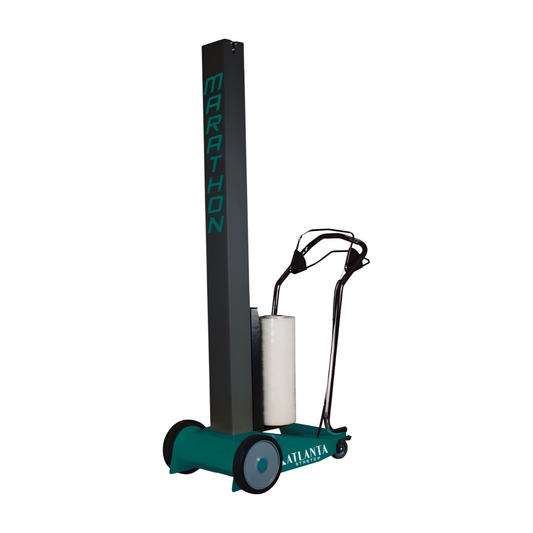
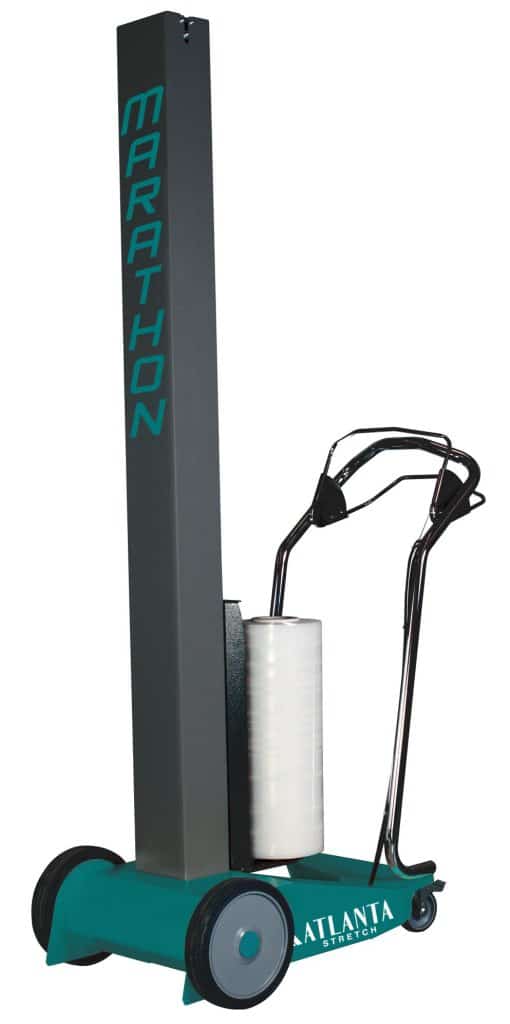
Hand pallet wrap is designed to be applied manually. It is commonly supplied in widths of approximately 400 mm or 500 mm and is suitable for wrapping furniture, cartons, bundled components and smaller pallet loads.
For furniture removals and individual items, hand pallet wrap is generally the most practical choice. It can be carried through buildings, applied around irregular shapes and used without machinery.
Machine pallet wrap is designed for use on pallet wrapping machines. It is commonly supplied on larger rolls and may be engineered for much higher stretch levels. Although machine film is ideal for palletised loads, it is generally not the most convenient option for manually wrapping furniture.
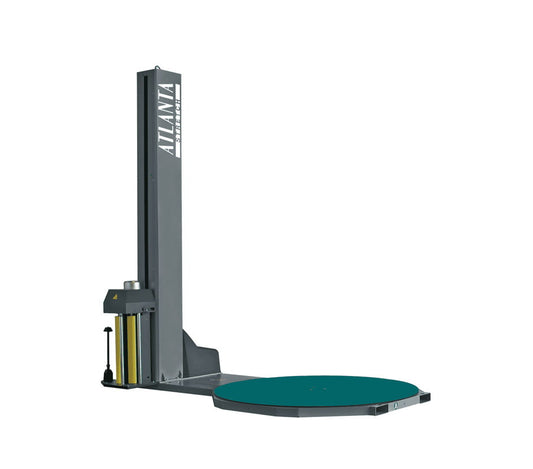
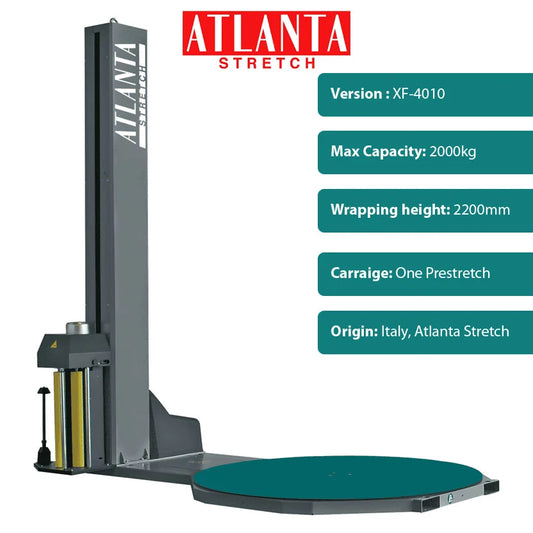
Furniture manufacturers processing high volumes may instead use orbital wrapping machines. These machines pass film around long or irregular products such as doors, cabinetry, timber, flat-pack furniture and assembled furniture components.

Pallet Wrap Versus Shrink Wrap
Pallet wrap and shrink wrap are often confused, but they operate in very different ways.
Pallet wrap is stretched around an item. The tension created by stretching the film holds the product together. No heat is required.
Shrink wrap is normally placed loosely around a product and then heated so the plastic contracts. Depending on the application, this may require a heat gun, shrink tunnel or specialised gas shrink equipment.
For general furniture moving, hand pallet wrap is usually safer, faster and easier to apply. It avoids the risks associated with applying heat near timber, fabric, foam, coatings or flammable materials.

Benefits of Using Pallet Wrap for Furniture
Protection From Dust, Dirt and Light Moisture
A correctly wrapped item can be protected from dust, dirt and incidental moisture during handling and transport.
This is especially useful for upholstered furniture, office chairs, mattresses and other products that can be difficult to clean.
Pallet wrap should not, however, be treated as permanent waterproof packaging. Holes, unsealed ends and punctures can still allow water to enter. For outdoor exposure or long-term storage, a dedicated furniture bag, pallet bag or waterproof cover may be more appropriate.
Holding Drawers and Doors Closed
Cabinets, desks, bedside tables, filing units and entertainment cabinets often contain doors or drawers that can open during movement.
Wrapping film around the complete item applies compression across the front and helps keep these components closed. This reduces the need to apply adhesive tape directly to painted, varnished or laminated surfaces.
Securing Furniture Blankets
Moving blankets provide cushioning but can shift or fall off while furniture is being carried.
Pallet wrap can be applied over the blanket to hold it firmly in place. This creates a practical combination: the blanket absorbs impacts and protects the finish, while the film contains the blanket and keeps the complete package together.
Bundling Loose Components
Removed table legs, shelves, bed slats, brackets and other components can be bundled together using stretch film.
Smaller-width bundling film can also be useful for this purpose. It is easier to apply around narrow products and may create less waste than using a full-width hand pallet wrap roll.
Watch below how parts of furniture like legs or poles could be bundled with bundling film.
Reducing Surface Scuffing
Stretch film provides a sacrificial outer layer that can help protect against dust, light rubbing and minor scuffing.
It does not provide meaningful impact cushioning on its own. Sharp impacts can still damage the furniture through the film, which is why blankets, foam, bubble wrap and cardboard should be used where additional protection is required.
Can Pallet Wrap Be Applied Directly to Furniture?
Care should be taken before applying stretch film directly to finished furniture.
Timber, leather, lacquered surfaces, fresh paint and some polished finishes may be affected by trapped moisture, heat or prolonged contact with plastic. There is also a risk that dust trapped underneath tightly applied film could rub against the surface during transport.
For delicate furniture, place a clean furniture blanket, paper pad, foam sheet or other non-abrasive protective material around the item before applying the pallet wrap.
The film should then be used to secure the protective layer rather than being relied upon as the only form of protection.
Items should always be clean and dry before being wrapped, particularly when they will remain packaged for an extended period.
Blown film should not be sued on applying directly to furniture because of its adhesive layer.
Be Careful Using Blown Pallet Wrap Directly on Furniture
While blown pallet wrap offers excellent puncture resistance and holding force, it is not always the best choice for wrapping furniture directly. Most blown films contain higher levels of tackifiers, the additives that create the cling between film layers. These tackifiers are designed to improve load containment on pallets, but they can create problems when applied directly to certain furniture surfaces.
Highly polished timber, lacquered finishes, gloss cabinetry, melamine furniture, leather and some painted surfaces can be particularly sensitive. If blown film remains in direct contact with these materials for an extended period, especially in warm conditions, the tackifier may transfer to the surface and leave behind a sticky residue. This residue can attract dust and dirt and may require cleaning before the furniture can be used or displayed.
For this reason, many professional removalists and furniture manufacturers avoid placing blown pallet wrap directly onto finished furniture surfaces. Instead, a furniture blanket, foam sheet, paper pad or protective cover is applied first, with the stretch film used only to secure the protective material in place. This creates a barrier between the furniture and the film while still allowing the item to benefit from the holding force of the wrap. Or cast stretch film is used instead.
If pallet wrap must be applied directly to furniture, a quality cast pallet wrap is often the safer choice. Cast films generally have a smoother surface and lower cling levels compared to blown films, making them less likely to leave marks or residue on sensitive finishes. Regardless of the film selected, MPS Packaging always recommends testing on a small inconspicuous area first if there is any uncertainty regarding the furniture finish.
When protecting valuable furniture, the best practice remains the same: use pallet wrap as the outer containment layer and rely on blankets, foam or other protective materials as the primary surface protection. This significantly reduces the risk of residue, abrasion or finish damage during transport and storage.
Choosing the Right Pallet Wrap for Moving
Film Thickness
Film thickness is commonly measured in microns. A higher micron film will generally provide greater puncture resistance and strength, although film formulation also plays an important role.
A lighter film may be suitable for securing blankets, bundling lightweight components or covering products with smooth surfaces.
A heavier-duty hand pallet wrap may be more suitable for dense furniture, sharp corners and items requiring greater holding force.
It is important not to select film based only on micron. Modern performance films can provide excellent strength at lower thicknesses due to improved resin technology and multilayer construction.
Cast or Blown Pallet Wrap
Cast pallet wrap is typically clear, quiet to unwind and easy to apply. Its clarity can make it useful when labels, identification markings or the condition of the furniture must remain visible.
Blown pallet wrap generally offers strong puncture resistance and gripping performance. It is often selected for irregular or sharp loads, although it can be noisier to unwind than cast film and has an adhesive layer which maybe not the correct choice for wrapping some goods.
The best choice depends on the shape of the furniture, the required holding force and the working environment.
Clear or Black Pallet Wrap
Clear pallet wrap allows the furniture and any labels underneath to remain visible. This makes it suitable for most moving, storage and identification applications.
Black pallet wrap conceals the item and may provide an additional level of privacy or security. It can be useful when transporting valuable goods or when the contents should not be easily identifiable.
Black wrap may also reduce light exposure, but it should not automatically be considered a long-term UV protection solution unless the film has been specifically manufactured with UV stabilisation.

Conventional, Pre-Stretched and Recycled-Content Film
Conventional hand pallet wrap is stretched by the user during application. Correct tension is needed to generate holding force.
Pre-stretched film has already been stretched during manufacturing. It is lighter and generally requires less effort to apply, making it useful for users wrapping products throughout the day.
Recycled-content pallet wrap can help reduce the use of virgin plastic. MPS Packaging supplies selected films containing recycled material as well as high-performance films designed to reduce the overall amount of plastic required per application.
How to Wrap Furniture With Pallet Wrap
Prepare the Furniture
Before wrapping, clean and dry the item. Dust and grit trapped beneath tightly applied packaging may act as an abrasive.
Remove shelves, legs, handles or other protruding components where practical. This can make the furniture easier to move and reduce the chance of the film puncturing.
Secure removable components separately and label them clearly so they remain associated with the correct item.
Apply Appropriate Padding
Use furniture blankets, bubble wrap, foam, cardboard sheets or corner protectors where required.
Corners, handles, feet and protrusions are common failure points. Applying protection to these areas reduces the risk of impact damage and helps prevent sharp edges from puncturing the stretch film. Often foam or foam edge protectors are used in transporting furniture.

Anchor the Film
Begin near the base of the furniture. The leading edge can be tied around a suitable structural section, held in position while the first wrap is completed or trapped beneath an appropriate part of the item.
Avoid tying the film around fragile trims, decorative legs or weak components.
Wrap the Base
Apply several passes around the lower section to establish a stable anchor.
Keep the roll controlled and apply consistent tension. The film should be firm enough to contain the item without crushing upholstery or damaging lightweight panels.
Work Up the Furniture
Spiral the film upward with each pass overlapping the previous layer.
An overlap of approximately half the film width can provide good coverage and help create a more consistent outer layer. Additional passes may be applied around drawers, doors and areas supporting furniture blankets.
Protect the Top
Where dust or light moisture protection is required, place a plastic sheet, furniture cover or suitable top sheet over the furniture before completing the final wraps.
The side film can then hold the top sheet in position.

Secure the Film Tail
Cut the film and press the loose end firmly against the wrapped surface. The cling layers should hold the tail in position.
Do not leave long loose sections that can catch during handling.
Wrapping Different Types of Furniture
Sofas and Upholstered Furniture
Apply a furniture cover or clean protective layer before wrapping valuable upholstery.
Use enough tension to hold cushions and covers in position, but do not compress the furniture so heavily that cushions, foam or the frame become distorted.
Pay particular attention to feet, corners and reclining mechanisms.
Tables
Where possible, remove the legs and wrap them separately. Protect the tabletop with a blanket, foam or cardboard before applying stretch film.
If the legs cannot be removed, protect them individually and avoid creating excessive pressure on weak joints.
Cabinets and Drawers
Apply additional revolutions around the section containing drawers and doors.
The film must travel completely around the cabinet to create effective holding force. Wrapping only across the front will not reliably contain moving components.
Mattresses
A dedicated mattress bag is generally the preferred primary protection because it provides complete hygienic coverage.
Pallet wrap can then be applied around the bag to hold it in position and reduce the chance of it opening or slipping during handling.
Avoid wrapping a damp mattress or placing it into long-term storage while moisture is trapped inside the packaging.
Glass Furniture
Glass tabletops and cabinet doors require cushioning and rigid protection.
Use bubble wrap, foam, cardboard or purpose-made glass protection before applying pallet wrap. Stretch film should only be used to hold these protective layers together; it will not prevent glass from breaking if the item receives a significant impact.
Protecting Sharp Corners and Fragile Areas
Sharp corners can puncture stretch film as tension increases.
Cardboard corner protectors, foam profiles and folded cardboard can be placed over vulnerable areas before wrapping. The stretch film then holds the corner protection in position.
Additional horizontal bands of film can also be applied around the top, centre or base of the item where reinforcement is required.
Common Pallet Wrapping Mistakes
Wrapping Delicate Surfaces Directly
Applying plastic film directly against delicate timber, leather or polished finishes can trap moisture and may mark the surface.
Use a clean protective layer between the furniture and the stretch film.
Using Film Without Cushioning
Pallet wrap is not bubble wrap. It contains products and provides light surface protection, but it does not absorb significant impacts.
Use furniture blankets, foam, bubble wrap or cardboard where cushioning is required.
Applying Too Little Tension
Loose stretch film provides very little holding force. It can snag, unwind or allow drawers and protective materials to move.
The film should be stretched sufficiently to create containment without damaging the furniture.
Applying Too Much Tension
Excessive tension can distort upholstered products, damage lightweight cabinets or crush corners.
Overstretching can also cause the film to narrow excessively, lose effective coverage or break around sharp edges.
Wrapping Damp Furniture
Plastic film can trap moisture against the surface. This may lead to condensation, mould, staining or odours during storage.
Furniture should be clean and dry before packaging.
Relying on Pallet Wrap for Long-Term Outdoor Storage
Standard pallet wrap is not necessarily UV stabilised or designed for long-term exposure to weather.
For extended outdoor storage, use packaging specifically manufactured for UV and weather protection.
Pallet Wrap Compared With Other Furniture Protection
Furniture Blankets
Furniture blankets provide impact absorption and surface protection. They are highly useful for timber, painted furniture and large appliances.
Pallet wrap can be applied over the blanket to hold it securely in place.
Bubble Wrap
Bubble wrap provides cushioning for fragile components, glass and vulnerable corners.
It is bulkier than stretch film but offers far greater protection against impact. For fragile furniture, bubble wrap may be applied first and secured with pallet wrap.
Foam Packaging
Foam sheets and profiles provide lightweight cushioning without the abrasive surface that some cardboard products may have.
They are particularly useful for polished surfaces, cabinetry, glass edges and painted components.
Plastic Furniture Covers and Bags
Furniture bags provide loose protection from dust and dirt. Pallet wrap can be applied around the outside to keep the bag closed and prevent it from sliding off.
Cardboard and Corner Protection
Cardboard sheets and corner protectors create a rigid barrier around vulnerable surfaces.
Stretch film holds these materials in position and prevents individual packaging components from separating during handling.
The Best Layered Protection Method
For valuable furniture, the most reliable approach is usually to combine several materials.
Fragile corners, glass and protrusions should first be protected using foam, bubble wrap or cardboard.
The main body of the furniture can then be covered with a clean furniture blanket, paper pad or suitable protective sheet.
Pallet wrap is applied last to hold the complete package together, contain drawers and doors and protect the outer materials from dust and light contamination.
Each layer performs a different function. Cushioning absorbs impact, rigid protection shields corners, and pallet wrap provides containment.
Is Pallet Wrap Recyclable?
Conventional polyethylene pallet wrap is generally identified as a Category 4 flexible plastic material.
Whether it can be recycled depends on the collection services available in your area. Commercial quantities of clean stretch film may be collected through specialist soft-plastic or industrial recycling programs.
Used film should be kept clean and separated from general waste, strapping, labels, paper and other contaminants wherever possible.
Stretch film is generally not reusable for its original wrapping purpose because it has already been stretched and has lost much of its original elastic recovery.

How Much Pallet Wrap Is Needed for Moving?
The amount of stretch film required depends on the number and size of the furniture items, the level of protection required, the film thickness and the wrapping technique.
A house move containing several large furniture items may require multiple hand rolls. A commercial office relocation involving desks, chairs, drawers, cabinets and equipment may require substantially more.
Businesses should evaluate film on cost per item wrapped rather than simply comparing the purchase price per roll. Roll weight, usable length, film strength and application efficiency can vary considerably between products that appear similar.
A cheaper roll may not provide a lower overall packaging cost if more layers are required or the film breaks frequently during application.
Buying Pallet Wrap for Furniture Removals
MPSPACK supplies a wide range of hand pallet wrap for furniture removals, warehousing, transport and storage applications.
Options include clear and black pallet wrap, cast and blown films, conventional hand rolls, pre-stretched products, recycled-content films and heavy-duty pallet wrap for demanding applications.
We can also assist with complementary furniture protection products including bubble wrap, foam, pallet bags, pallet caps, bundling film, cardboard protection and packaging tapes.
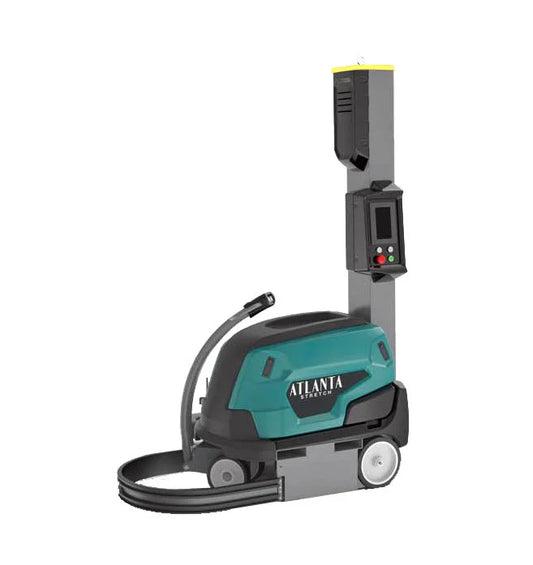
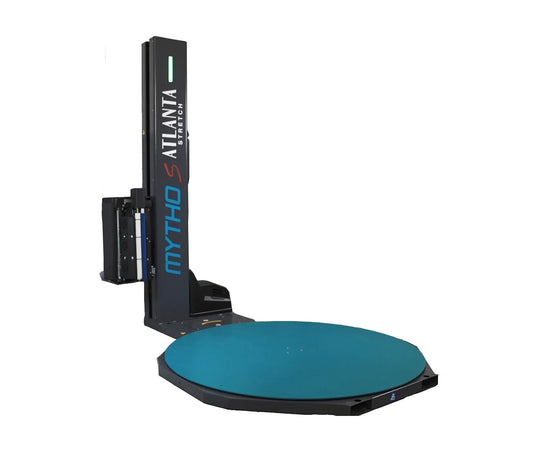
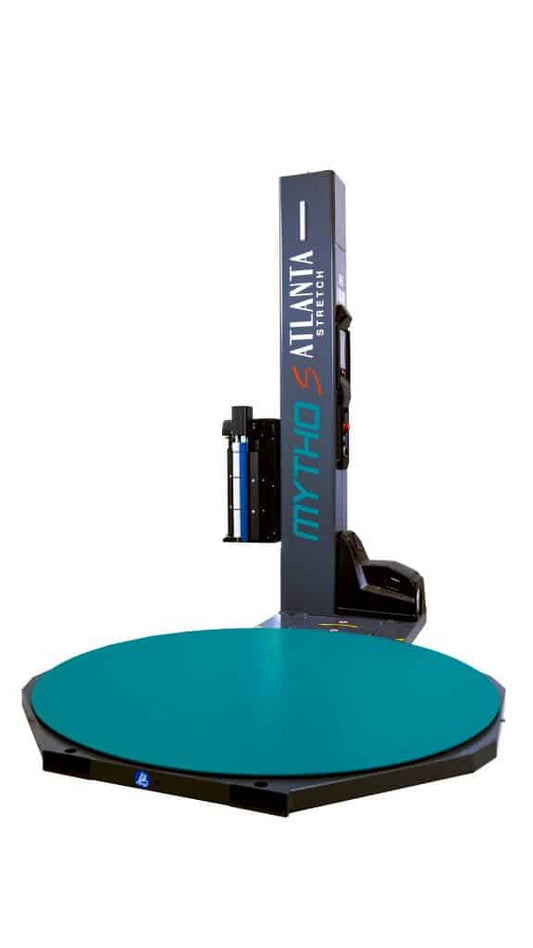
For larger furniture manufacturing and distribution operations, MPS Packaging can also supply orbital wrapping equipment and automated stretch-wrapping solutions.
Frequently Asked Questions
Is pallet wrap safe for wooden furniture?
Pallet wrap should not generally be applied directly to delicate timber or polished wooden furniture for extended periods.
Place a clean furniture blanket, paper pad, foam sheet or other suitable protective layer between the wood and the plastic.
Can pallet wrap cause moisture damage?
Yes. Stretch film can trap moisture if the furniture is damp or wrapped in a humid environment.
Always ensure furniture is clean and dry before wrapping. Extra care should be taken when storing timber, leather, fabric or other moisture-sensitive materials.
How many layers of pallet wrap should be used?
The required number of layers depends on the item and the purpose of the wrap.
Light coverage may be sufficient for dust protection, while several overlapping layers may be required to hold drawers closed or secure heavy furniture blankets.
Apply additional film around stress points rather than unnecessarily wrapping every section with the same number of layers.
Can pallet wrap replace furniture blankets?
No. Pallet wrap provides containment and light surface protection, but it does not provide the cushioning of a furniture blanket.
For timber, painted furniture and high-value items, use a furniture blanket or other cushioning material beneath the film.
Can black pallet wrap be used for furniture?
Yes. Black pallet wrap can conceal the contents and provide privacy during transport or storage.
Clear film is generally better when the furniture, labels or handling instructions must remain visible.
Can pallet wrap be used on leather furniture?
Avoid applying stretch film directly to leather, especially for long periods.
Use a clean breathable protective layer first and ensure the furniture is completely dry before wrapping.
an pallet wrap be used for long-term storage?
Pallet wrap can provide protection from dust, dirt and light moisture during storage, but it should not be considered a permanent storage solution. If furniture will be stored for extended periods, especially in non-climate-controlled environments, it is recommended to use furniture blankets, breathable covers or protective bags underneath the pallet wrap. This helps prevent condensation and moisture build-up.
Is black pallet wrap better than clear pallet wrap for moving?
Black pallet wrap and clear pallet wrap perform the same containment function, but black pallet wrap provides additional privacy by concealing the contents. This can be beneficial when transporting valuable furniture, electronics or commercial equipment. Clear pallet wrap remains the preferred option when labels, handling instructions or product identification need to remain visible.
What is the best pallet wrap for furniture removals?
Most furniture removal companies use a quality hand pallet wrap in either cast or blown film. The best option depends on the application. Cast pallet wrap offers excellent clarity and quiet unwind, while blown pallet wrap provides increased puncture resistance for sharp furniture corners and irregular loads.
Can pallet wrap damage polished furniture?
If applied directly to delicate timber, polished surfaces, leather or freshly painted furniture, pallet wrap may trap moisture or cause marking during long-term storage. MPS Packaging recommends using furniture blankets, paper pads, foam sheeting or other protective materials between the furniture and the stretch film.
Can pallet wrap be used to secure moving blankets?
Yes. One of the most common uses of pallet wrap in the removals industry is securing moving blankets around furniture. Stretch film holds the blanket tightly against the furniture without the need for packaging tape, helping prevent blanket movement during transport.
Can pallet wrap protect furniture from rain?
Pallet wrap can provide short-term protection from light rain and splashes during loading and unloading. However, standard stretch film is not completely waterproof and should not be relied upon for prolonged outdoor exposure. For greater weather protection, furniture covers, pallet bags or heavy-duty plastic sheeting should be considered.
How do I stop pallet wrap from tearing on furniture corners?
Sharp furniture corners are one of the most common causes of film failure. Cardboard corner protectors, foam profiles or folded cardboard can be placed over vulnerable areas before wrapping. Using a heavier-duty blown pallet wrap can also improve puncture resistance.
What is bundling film and when should I use it?
Bundling film is a narrower version of stretch film designed for securing smaller items together. It is commonly used for wrapping furniture legs, bed slats, shelving components, loose cables and other accessories that need to stay together during transport or storage.
Can pallet wrap be used on mattresses?
Yes. Many removalists use pallet wrap to secure mattress bags and protective covers during transport. However, the mattress should first be enclosed in a dedicated mattress bag or protective cover. Pallet wrap should not be applied directly to mattresses for long-term storage, particularly if moisture may be present.
Is pre-stretched pallet wrap worth using?
Pre-stretched pallet wrap can reduce operator fatigue because less force is required during application. It also helps provide more consistent wrapping tension and can reduce plastic consumption. Businesses wrapping furniture daily often find pre-stretched film improves productivity and reduces waste.
Can I recycle used pallet wrap?
Most pallet wrap is manufactured from polyethylene and can often be recycled through commercial soft-plastic recycling programs. The film should be kept clean and free from contaminants such as paper, labels, strapping and general waste. Recycling options vary by location.
How much pallet wrap should I use on furniture?
The amount of pallet wrap required depends on the size, weight and shape of the furniture. The objective is to create sufficient containment without applying excessive tension. Most furniture items require multiple overlapping passes, particularly around drawers, doors and protective blankets.
Should I use cast or blown pallet wrap for furniture?
Cast pallet wrap is popular because it is clear, quiet and easy to apply. Blown pallet wrap generally offers better puncture resistance and load holding performance. For furniture with sharp edges or irregular shapes, blown pallet wrap is often preferred.
Can pallet wrap be used to secure products on pallets and furniture at the same time?
Absolutely. Many furniture manufacturers and distributors use pallet wrap to secure finished furniture products to pallets before transport. This combines load containment with surface protection and helps prevent movement during shipping.
Buy Pallet Wrap From MPS Packaging Australia
Pallet wrap is one of the most versatile packaging products available for furniture removals and transport. It can hold protective blankets in place, secure drawers and doors, bundle components and protect furniture from dust, dirt and light moisture.
The best results are achieved when stretch film is combined with the correct cushioning and corner protection. Pallet wrap should provide the outer containment layer rather than being expected to protect furniture from every form of damage on its own.
MPS Packaging Australia supplies pallet wrap and furniture protection products to removalists, warehouses, manufacturers, retailers, storage facilities and commercial relocation companies throughout Australia.
Contact MPS Packaging for assistance selecting the right hand pallet wrap, bundling film or protective packaging for your moving and furniture transport requirements.