What Happened to Great Wrap?
For several years, Great Wrap was one of Australia's most talked-about sustainable packaging companies. The Melbourne-based business gained attention for developing compostable stretch wrap and cling film made from food waste and plant-based materials, offering an alternative to traditional petroleum-based plastics.
Their vision was ambitious. Replace conventional plastic packaging with compostable alternatives while building a large-scale Australian manufacturing operation capable of supplying businesses across the country and eventually internationally.
Unfortunately, in September 2025, Great Wrap entered voluntary administration and operations ceased shortly afterwards. Reports indicated the company had accumulated liabilities of approximately $39 million, with liquidation becoming the likely outcome. Administrators cited a combination of high operating costs, manufacturing challenges and lower-than-expected market demand.
A Great Idea That Faced a Difficult Market
There is no question that Great Wrap achieved something impressive. The company successfully developed a compostable stretch film that could compete technically with products developed over decades by the global plastics industry.
The founders attracted significant investment, raised millions of dollars to expand manufacturing, secured national distribution partnerships, and generated strong interest from retailers and FMCG companies. At one stage, the company was viewed as one of Australia's leading sustainability startups.
However, having an innovative product and building a profitable manufacturing business are two very different challenges.
Stretch wrap is one of the most price-sensitive packaging products on the market. Businesses consume large volumes every day, meaning even small differences in cost per pallet can have a significant impact on operating expenses.
As economic pressures increased, many large organisations shifted their sustainability strategies. Rather than adopting compostable packaging, many focused on recycled-content plastics and closed-loop recycling programs. According to statements made by Great Wrap's founders, this change in market direction reduced demand for compostable stretch wrap and weakened future sales opportunities.
The Challenge of Scaling Manufacturing
One of the biggest hurdles for any packaging manufacturer is achieving scale.
Producing stretch film requires substantial investment in extrusion equipment, raw materials, technical expertise, warehousing and distribution. These costs are manageable when production volumes are high, but they can become difficult to sustain if demand grows slower than expected.
Reports from administrators indicated that Great Wrap's manufacturing facility was built around forecast demand that ultimately did not materialise. The company also faced the challenge of adapting to a market increasingly focused on recycled-content products rather than compostable alternatives. Doing so would have required additional investment at a time when capital was becoming harder to secure.
This is not a unique challenge. Many innovative packaging businesses around the world have discovered that commercial success depends not only on sustainability credentials, but also on achieving competitive pricing, reliable supply and sufficient market adoption.
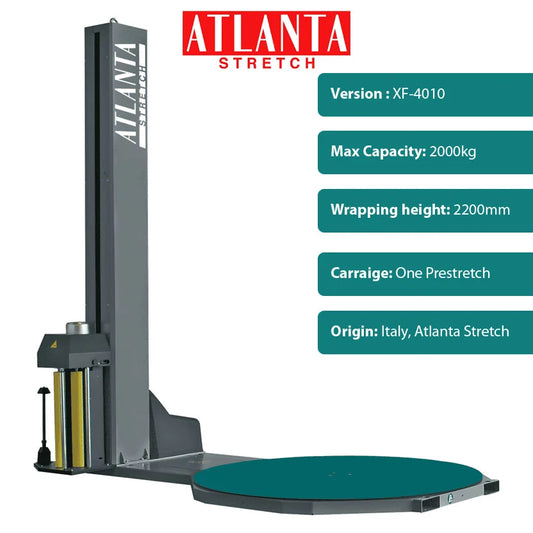
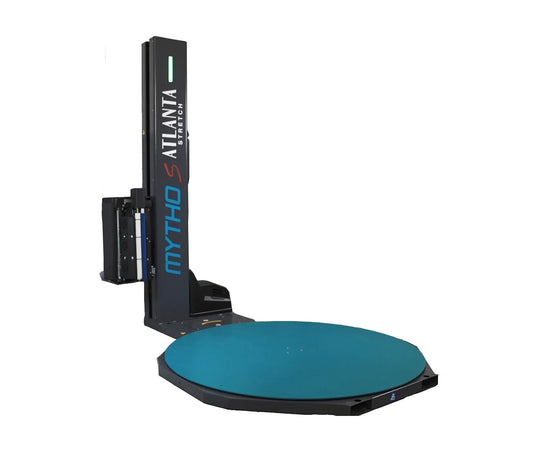
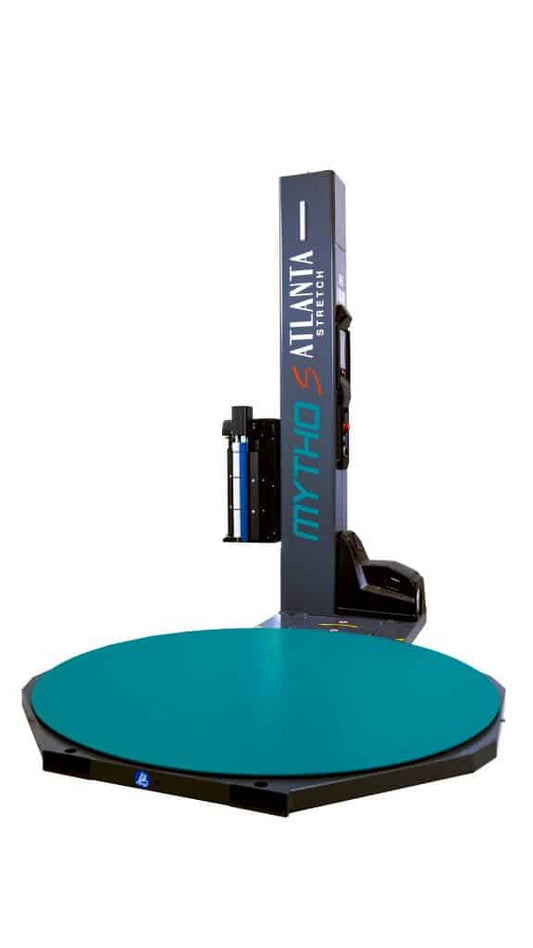
Also despite distributors like MPS packaging been keen to sell this product for years, they made the decision to only sell their product through Opal Packaging Plus, greatly limiting their customer base and sales presence. They also overcapitalized on lavish equipment Like American made pallet wrappers when more cost effective pallet wrappers from MPS can do the same thing for near on a fraction of the price.
Does This Mean Compostable Stretch Wrap Doesn't Work?
Not at all.
Great Wrap's closure should not be interpreted as a failure of compostable packaging technology.
The company demonstrated that compostable stretch wrap can be manufactured and used successfully in commercial environments. The challenge was creating a business model capable of supporting large-scale production while competing against established plastic packaging products that benefit from decades of manufacturing optimisation and enormous global production volumes.
In many ways, Great Wrap helped advance the conversation around sustainable packaging in Australia. Their work encouraged businesses to think more critically about packaging waste, recycling systems and alternative materials.
What Does the Future Look Like?
The packaging industry continues to evolve rapidly.
Today, businesses have access to a wider range of sustainability options than ever before, including recycled-content stretch films, downgauged high-performance films, reusable transport packaging, recyclable plastics and compostable materials.
Rather than searching for a single solution, many organisations are now evaluating packaging based on the entire lifecycle of the product. Factors such as recyclability, recycled content, transport efficiency, carbon footprint, product protection and total cost are all becoming part of the decision-making process.
The future of sustainable packaging will likely involve multiple technologies working together rather than one material replacing all others.
MPS packaging still believe that recycling the product is better than it going to landfill and recycled content stretch-wrap will takeover. Once the government or APCO gets their act into gear and setup some recycling centers for stretchwraP this will be the ideal scenario.
The Key Lesson for the Packaging Industry
Great Wrap's story is ultimately one of innovation, ambition and the realities of manufacturing.
The company proved that Australian businesses can develop world-class packaging technology and challenge established industries. While the commercial outcome was disappointing, their efforts pushed the industry forward and sparked important conversations about sustainability and packaging waste.
For packaging users, the lesson is that sustainability initiatives must balance environmental outcomes with operational practicality, supply chain reliability and long-term economic viability.
As packaging technology continues to develop, businesses will have more options than ever before. The challenge will be selecting solutions that deliver genuine environmental benefits while remaining commercially sustainable for years to come.
It is also worth noting that Great Wrap was not the only packaging manufacturer to face financial difficulties in recent years. The Australian packaging sector has seen several well-known businesses enter administration, including Integrated Packaging Group and Pro-Pac Packaging, both of which had administrators appointed as they worked through significant financial and operational challenges. These cases highlight that the pressures facing packaging manufacturers extend well beyond any single product category or sustainability initiative. Rising operating costs, increased competition, supply chain disruptions, higher interest rates and changing customer purchasing behaviour have created a difficult environment for many businesses across the packaging industry. Great Wrap's situation therefore reflects broader challenges affecting the sector rather than an issue unique to compostable stretch wrap or sustainable packaging products.